Read the full article:
OpenAI’s Teen Safety Blueprint, and What AI Platforms Should Do Next -
https://cyberbullying.org/open-ai-teen-safety-blueprint-takeaways
This web site supports Dr. Russell Sabella's work on educating children, parents, educators and other stake holders about the responsible use of technology. Included in these pages you will find helpful resources, lesson plans, links, and more.
OpenAI’s Teen Safety Blueprint, and What AI Platforms Should Do Next -
https://cyberbullying.org/open-ai-teen-safety-blueprint-takeaways
Australia is implementing a new law to prevent children under the age of 16 from having social media accounts, with enforcement beginning on December 10, 2025. The government's Communications Minister, Anika Wells, has been a leading advocate for the legislation, arguing it will protect young people from the harmful content and addictive algorithms found on social media platforms.
More information here: Communications Minister Anika Wells speaks about the social media ban at Press Club | ABC NEWS - YouTube https://www.youtube.com/watch?v=9DCZAZy9jO4
Each year during the third full week of October, Common Sense Media leads Digital Citizenship Week, an annual campaign to promote a healthy, balanced, and positive approach to media and tech use among young people.
https://www.commonsense.org/education/digital-citizenship-week?lid=xnrtg83sig0m
Read more:
Movies with Positive Role Models for Boys | Common Sense Media https://www.commonsensemedia.org/lists/movies-with-positive-role-models-for-boys
This Pew Research Center report, "How Parents Manage Screen Time for Kids," surveyed over 3,000 U.S. parents of children ages 12 and younger about their efforts to balance the benefits and challenges of technology in their kids' lives. Essentially, the report highlights that screens are an unavoidable part of modern childhood, leading to parental struggles to find balance, a strong desire for external regulation, and a sense that they're doing their best, even if they could improve.
Read the full article:
https://www.pewresearch.org/internet/2025/10/08/how-parents-manage-screen-time-for-kids/
One Way Parents Can Fight the Phone-Based Childhood - The Atlantic https://www.theatlantic.com/ideas/archive/2025/08/kids-smartphones-play-freedom/683742/
The role of hope in bullying and cyberbullying prevention
Introduction: Research is clear that the cognitive-motivational internal asset of hope is significantly related to enhanced life satisfaction and psychological wellbeing. It has also shown promise in preventing participation in a variety of negative externalizing behaviors, especially antisociality, maladaptive coping, and various forms of aggression among young people. The current exploration evaluates the relationship between hope and youth participation in bullying and cyberbullying.
https://www.frontiersin.org/journals/sociology/articles/10.3389/fsoc.2025.1576372/full
| |
AngelQ - A Kid-First Super Browser
Common Sense Media just scored App of the Day on the Apple App Store! Turns out, helping parents find actually good entertainment is kind of our thing. Ready to make screen time smarter (and way less stressful)? Download the app and dive in.
Prescreen Your Kid’s Screen Time : App Store Story https://apps.apple.com/story/id1781346728
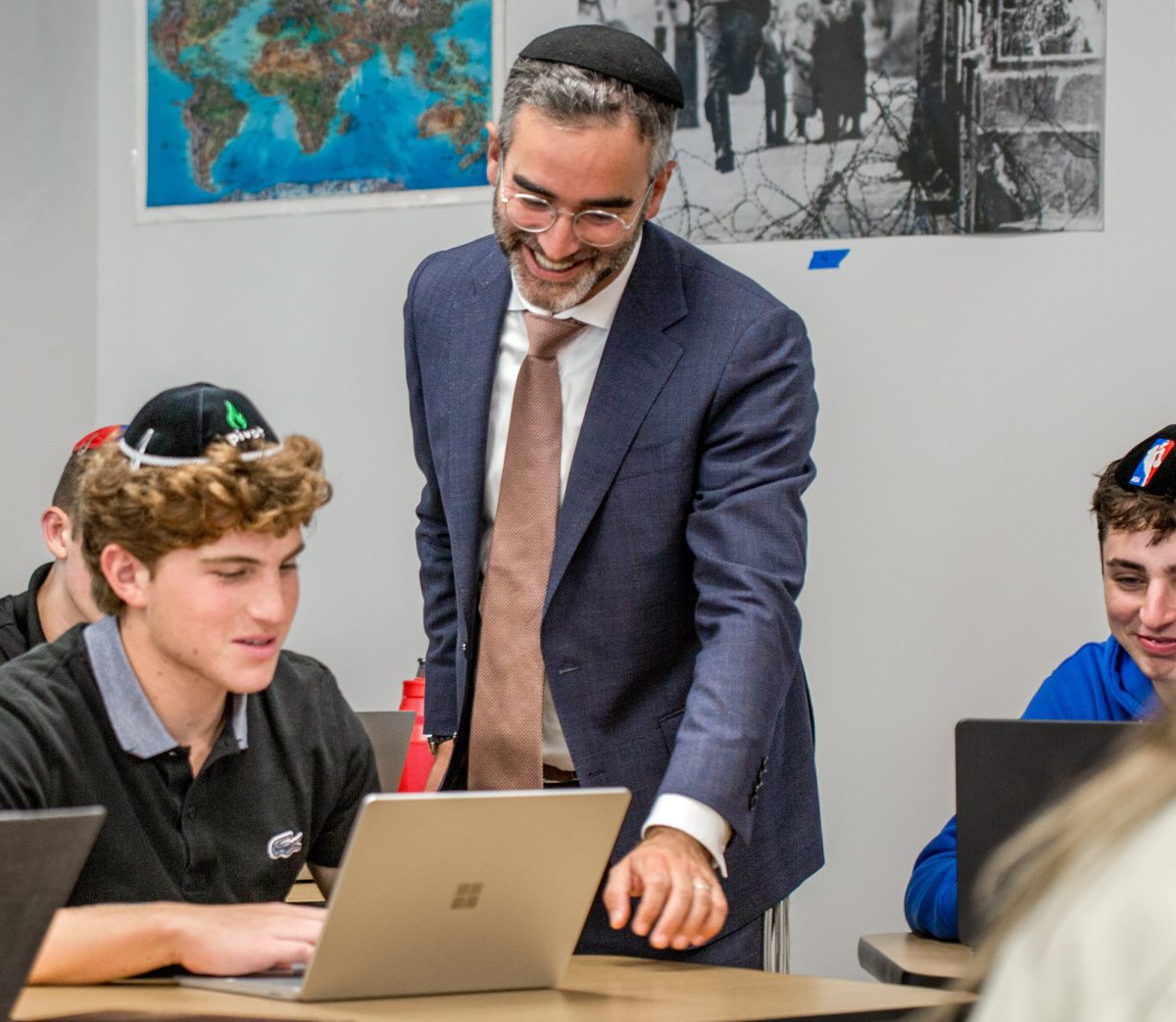
In my last piece, I shared about the inconclusive research findings associated with banning student phones at school and the outcomes of academic achievement and positive mental health and well-being. I argued that we shouldn’t treat these devices as a singular crisis, because social, cultural, and contextual factors all strongly affect how students do scholastically and personally, and also are inextricably linked with how exactly they use their phones. Today, I wanted to share a conversation I recently had with Rabbi Dr. Hillel Broder, who serves as Head of School at Melvin J. Berman Hebrew Academy in Rockville, Maryland. Let’s dive right in!
Rabbi Dr. Broder, you and I have worked together for about 1.5 years now, and we’ve had multiple conversations on student device use at school. Over the last year, you’ve implemented a Wait Past 8th Initiative, and I think enough time has passed to have a meaningful conversation about lessons learned.
Read more: https://cyberbullying.org/phone-free-school
Source: Cyberbullying Research Center
Instagram pilot-tested this program with 60 schools around the nation and found that giving schools prioritized reporting of bullying and harassment increased the ability of schools to properly support students when targeted. As such, the program is being deployed far and wide.
Learn more: https://cyberbullying.org/instagram-school-partnership-program-prioritized-reporting-to-help-students
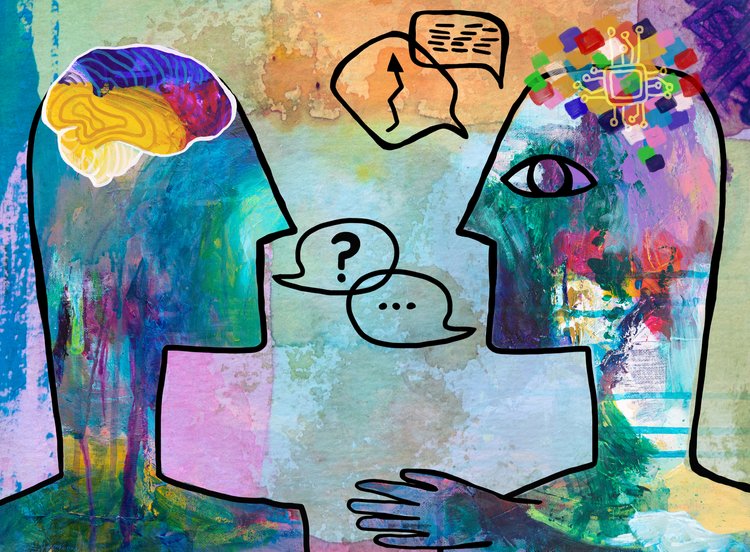
The introduction and adoption of AI chatbots across multiple domains has ushered in many enjoyable and educational possibilities. These conversational agents – accessible via stand-alone apps or built into existing popular social media platforms – can offer companionship and support without the pressures or complications of real-world interactions. They can also provide youth with a safe space for self-expression and exploration, where questions can be posed and sentiments expressed presumably without fear of judgment, shame, or criticism. Furthermore, they can serve as valuable educational tools, helping young users develop communication techniques, access information, and learn skills that can benefit them in school, social situations, and extracurriculars. However, the technology is now very capable of blurring the distinction between human and AI, thereby introducing specific problems that must be considered and accounted for.
Read more:
https://cyberbullying.org/ai-chatbots-youth-safety