Good books.
Better conversations.
Explore social media, friendship, and life beyond the screen. A reading collection for families, educators, and school counselors, with a conversation starter for every book.
Start the conversation
Picture books and graphic novels · suggested starting ages 4–7

Blackout
Let’s talkWhat could your family enjoy together during an evening without screens?
View book on Amazon →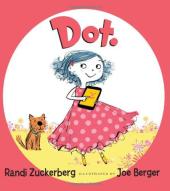
Dot.
Let’s talkWhat is something you enjoy exploring both on a screen and outdoors?
View book on Amazon →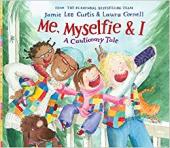
Let’s talkHow can taking photos help us remember a moment without missing it?
View book on Amazon →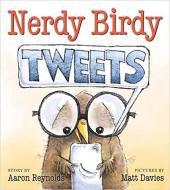
Nerdy Birdy Tweets
Let’s talkHow can you show a friend that they have your full attention?
View book on Amazon →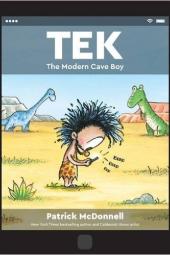
Tek: The Modern Cave Boy
Let’s talkWhat helps you notice when it is time to take a screen break?
View book on Amazon →
Let’s talkWhich screen-free activity leaves you feeling better afterward?
View book on Amazon →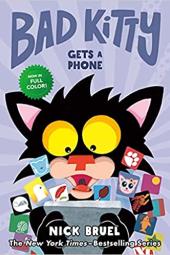
Bad Kitty Gets a Phone
Let’s talkWhat responsibilities should come with a first phone?
View book on Amazon →
Let’s talkWhat would you want to check before believing a surprising story online?
View book on Amazon →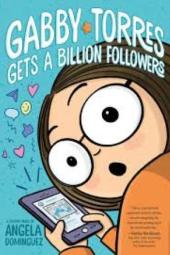
Let’s talkHow would you decide what to share with a big online audience?
View book on Amazon →Growing up in a connected world
Friendships, identity, and digital choices · suggested starting ages 8–9

Finally Heard
Let’s talkHow can you tell whether social media is helping or hurting your mood?
View book on Amazon →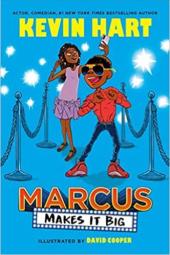
Marcus Makes It Big
Let’s talkWho can help you stay true to yourself when other people are watching?
View book on Amazon →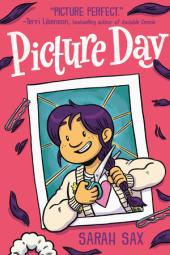
Let’s talkWhat makes a photo feel like the real you?
View book on Amazon →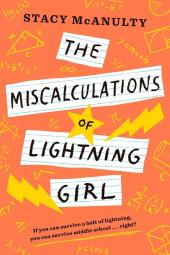
Let’s talkWhat small step could help you connect with someone new?
View book on Amazon →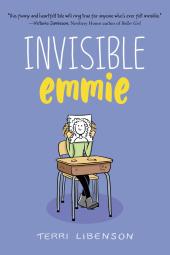
Let’s talkWhat could you do if someone shared a private message without permission?
View book on Amazon →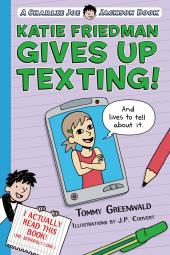
Let’s talkWhen might a conversation work better in person than by text?
View book on Amazon →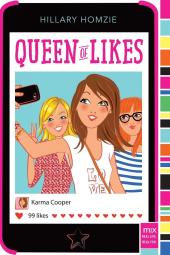
Queen of Likes
Let’s talkWhat tells you that you matter besides likes or followers?
View book on Amazon →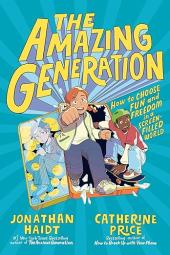
Let’s talkWhat is one change that would give you more control over your digital life?
View book on Amazon →
You Go First
Let’s talkHow could an online friendship encourage kindness in everyday life?
View book on Amazon →Words, belonging, and courage
Peer relationships and personal choices · suggested starting age 10

Posted
Let’s talkHow might your words affect someone after you have forgotten writing them?
View book on Amazon →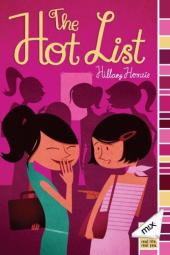
The Hot List
Let’s talkHow could you help someone feel included without ranking or comparing people?
View book on Amazon →